Velvet Authority
How much should the client be involved in the design process?
This might look like a small question, but in fact it’s one of the biggest dilemmas in the design world. Most people think they have an immediate answer; but the truth is, it remains unanswered. Because the real issue is not only “how the design will be made” but also “who holds the authority.”
The Chermayeff Example
Let’s take a real example: Ivan Chermayeff.
A living legend of logo design. Mobil, NBC, National Geographic, Beko, Arçelik… the logos of giant brands came out of his studio.
Koç Group went to Chermayeff, paid him, and he designed the logo. That’s it. The client didn’t interfere, no debates were opened. Because there was a strong authority at play. This is the extreme form of the client designer relationship: one sided trust.
The Arçelik logo is perhaps the most striking example of this trust.
Chermayeff set aside the codes of the white goods sector “power, reliability, durability” and instead introduced a romantic, flowing calligraphic script. If a junior designer had done this, they would have been scolded the next day in the agency corridors. But this was Chermayeff, and his client trusted him deeply. Despite months of criticism, Arçelik embraced and owned the logo. Because the design was not just a form; it was the decision of an authority.
Here, I’m not questioning Chermayeff’s artistic decisions. That has already been discussed at length. Personally, I wasn’t a fan of the logo, but of course his years of experience must have created a strategy behind it. Maybe he wanted to form a “warm, intimate” bond with housewives. His expertise may have saved him. Yet this kind of sharp authority, rarely filtered through critique, can sometimes lead to blind spots and misdirections.
This example shows one of the rare cases where authority lies completely with the designer. In real life, the power usually sits in the hands of the client. Now let’s look at the other end of the spectrum.
The Other Extreme
Projects where authority is entirely in the client’s hands.
Here, the designer almost turns into a mere “executor.” Moodboards, sketches, color palettes all must be approved by the client. Ideas are killed before they sprout; every corner is softened, every detail passes through a committee. The approval process drains the energy; trends change; designs expire.
The result?
You end up with flawless, risk-free designs that offend no one, but excite no one either. “Gray” designs that erase the designer’s signature, replaced instead by the collective hand of the committee.
I’m not judging here either; I respect those “stock image” type designs that carry no particular vision. Everyone in the process (except the designer) usually has a lot of fun, and that also adds some joy to the industry!
Between the Two Extremes
Design processes with no designer authority at all produce gray, soulless work.
Processes dominated by the artist’s ego risk mistakes that go unnoticed and spiral further.
So, is there another way?
While thinking of alternative structures where no one gets harmed, I scanned all the strong hierarchies in my mind. Then I thought of dance.
Velvet Authority
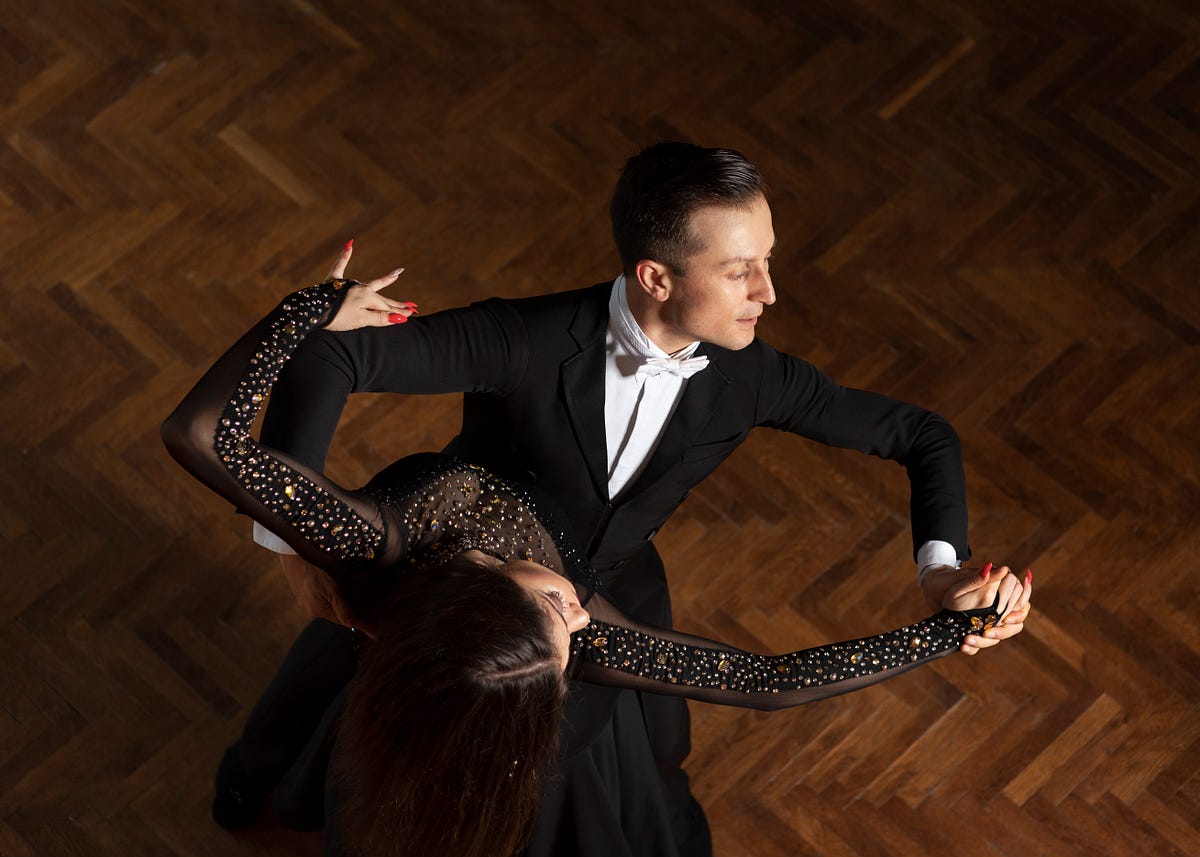
In dance, there is authority too, but it’s almost invisible from the outside. We, as regular viewers, don’t notice who’s leading. The dancer leads their partner with gentle hand and wrist movements sometimes almost telepathically. It’s soft, fluid, almost lovingly established authority. This is what I call “Velvet Authority.”
Velvet authority includes the client in the design process, but not in a rigid way rather, with steps as graceful as a dance. This way:
•The process becomes participatory.
•Major, irreversible mistakes are prevented.
•The client feels included and empowered, not excluded, while “dressing” their brand.
The final result is neither a sterile, gray design, nor a showcase of ego-driven authority.
What emerges is balance: the designer’s knowledge intertwined with the client’s passion.
And maybe that is the true secret of good design:
Neither complete submission, nor complete imposition…
But dancing together with velvet authority.